
Flexible hose & connector fixes, $100–$200
The brittle connector behind the cooktop, small part, common leak source, quick fix.
Gas does not grade on a curve. A connection is either tested and certified or it is a liability with a warranty problem, so every gas job we do across Ambarvale, from a cooktop swap to a full outdoor kitchen line, ends the same way: needle steady on the manometer, appliances burning blue, paperwork done.
In NSW, every job on a gas installation: connecting a cooktop, moving a bayonet, repairing a line: must legally be done by a licensed gasfitter, and for good reason: the failure modes are leaks, fires and carbon monoxide, none of which give second chances. It is also why "the handyman hooked it up" appliances are the single most common source of the leaks we get called to.
Licensed does not just mean allowed. It means the job finishes with a manometer pressure test proving the whole installation holds, appliances checked for correct operation and ventilation, and work done to AS/NZS 5601, the standard that decides what your insurer thinks of the installation if anything ever goes wrong. Across Ambarvale and the Macarthur, that is the finish line on every gas job we do.

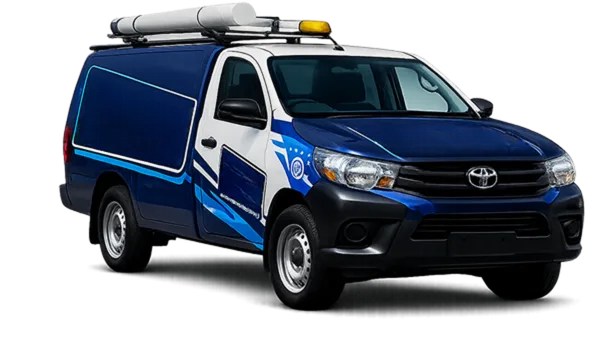
Gas lines, bayonet points and appliance connections cost a fraction of their normal price while walls and floors are already open. Retrofitting the same work later means opening finished surfaces and making them good again.
If a renovation is planned, it is worth deciding then about a future cooktop, an outdoor point or a heater, even if the appliance itself comes years later. Capping a prepared point costs almost nothing.
Correct combustion is blue and steady. Yellow, lazy or lifting flames mean the air-to-gas ratio is wrong, a blocked jet, a starved supply, insufficient ventilation, or an appliance set up for a different gas type.
It is the one diagnostic anyone can do without equipment, and it is worth a look at every gas appliance in the house once a year.
Leave the building. Take everyone with you. No light switches, no appliances, no phone calls made inside: a switch operating is an ignition source.
From outside, call 131 909. That is the gas network's emergency number, staffed twenty-four hours, and they attend and make the supply safe at no cost to you. Once it is safe, a licensed gasfitter finds and repairs the fault on your side of the meter.
Gas that burns incorrectly produces carbon monoxide, which has no odour and no colour. It is the reason a badly serviced heater is more dangerous than a leaking pipe, the leak announces itself and this does not.
The visible warning is flame colour. A gas flame should burn blue. Yellow or orange flames, soot around an appliance, or condensation on windows when a heater runs all mean stop using it and book a service.
Before any new appliance, the question is whether the meter and the existing runs can supply it alongside everything already connected. A system sized for a cooktop and a hot water unit will not automatically carry a pool heater as well.
Where it will not, the answer is usually an upgraded meter or a resized run rather than a smaller appliance. Establishing that first avoids buying something that can never perform properly.
The brittle connector behind the cooktop, small part, common leak source, quick fix.
Leaks at threads, valves and joints: found, sealed properly, retested under pressure.
Corroded or damaged runs cut out and replaced. Concealed lines needing access run $800–$2,500.
Cooktop, oven or heater connected, tested and certified. More if a new line or bayonet has to be run to reach it.
The going Sydney range for licensed gas work in 2026, with call-out fees typically $80–$150.
Every gas job ends with a pressure test and the paperwork that proves it. Figures here are indicative of the 2026 Sydney market rather than a quote from us, you get your own number as a fixed price before any work starts.
Suspected leaks start with the supply off at the meter and air moving through the space. Diagnosis begins only after the installation stops feeding the problem.
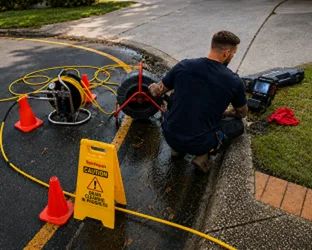
A manometer says whether the system is losing gas; detection fluid and instruments then walk the installation to the guilty joint, fitting or run.
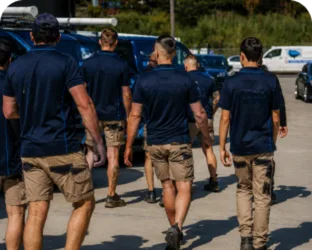
The failed component comes out and compliant material goes in, to AS/NZS 5601, whether that is one connector or metres of rerun line.
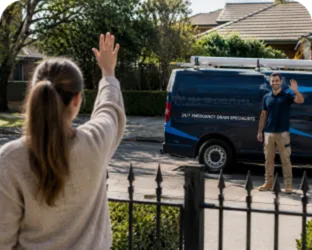
The full installation holds on the gauge or we are not done. Appliances relit, flames checked blue, ventilation confirmed, compliance documented.
New cooktop in its box, a bayonet that needs moving, or a smell you are not sure about: call and it gets done properly.
Licensed hands, a passing pressure test, and the certificate to prove it. Smelling gas this minute? 131 909 from outside comes before this form.

Leave your details and our local Ambarvale team will call you back fast.