
The straightforward clear: $150–$300
Business hours, blockage within reach of hand tools, one visit. Most calls land right here.
A dead toilet reorganises a household within the hour. Our Ambarvale crews clear blockages the same day, drop sheets down, mess contained, and when a toilet keeps re-blocking, the camera goes down the line to end the cycle instead of renting it back to you monthly.
One-off blockages are usually about what went down: wipes sold as flushable that are not, sanitary items, a toy launched by a toddler. Those clear quickly with the right tools and stay cleared. The plunger-and-hope approach fails when the blockage is compacted further down the pan’s S-bend than a plunger can push, and forcing it usually just packs it tighter.
A toilet that blocks every few weeks is a different animal, that is almost never about the toilet. It is a symptom further down the line: tree roots in the sewer, a bellied pipe holding waste, or scale narrowing an older clay drain. Common around Ambarvale, where mature gardens sit over original earthenware sewers. That is when the CCTV camera goes down, because clearing the symptom monthly is more expensive than fixing the cause once.
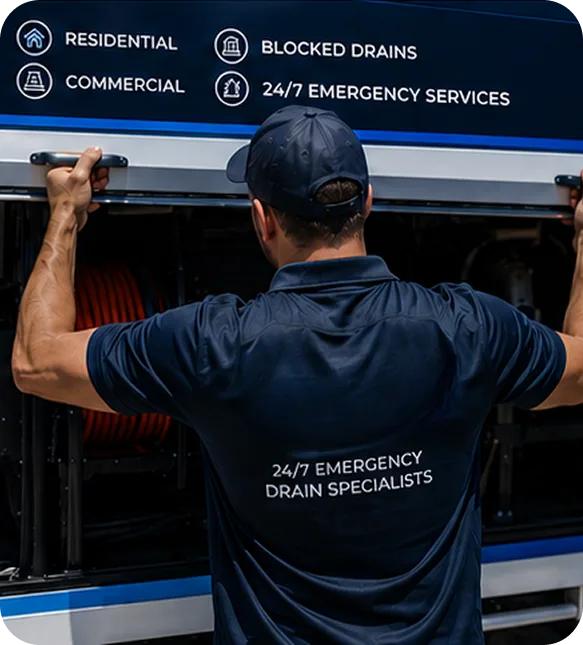

The reactive clay across these hills swells and shrinks with the seasons, flexing and fracturing older sewer lines beneath the ground.
Clay and earthenware were laid in short lengths with mortared or rubber-ring joints, and it is almost always the joints rather than the pipe that fail. Ground movement opens them a fraction, and a fraction is all a root or silt needs.
The pipe barrel itself is often in good condition after eighty years. That matters because it means the repair is usually about sealing joints, not replacing a run, a much smaller job than most people brace themselves for.
A root cutter clears the line and the toilet flushes properly again. That is a genuine fix for the blockage, and it is not a fix for the cause, the opening the roots came through is still there, and roots regrow toward water.
Mature street trees and established gardens send roots hunting into aged pipe joints, a leading cause of recurring blockages across Ambarvale.
The realistic choice is between cutting on a schedule, which is cheap each time and never finishes, and sealing the entry point once. We will tell you which makes sense for your line based on what the camera shows, including when the honest answer is that cutting every couple of years is the sensible economics.
If your toilet blocks roughly the same number of months apart each time, that is not bad luck and it is not what is being flushed. It is a fixed defect in the line filling at a predictable rate.
Write down the dates. Two or three of them tell us more than a description of the symptoms, because the interval indicates how fast the obstruction rebuilds, which narrows down what it is before the camera goes in.
The tree is rarely the villain, and removing it is rarely the answer, a mature tree is worth more to the property than the drain repair costs, and the roots already in the line do not vanish when the trunk goes.
What helps: knowing where your line runs so future planting goes elsewhere, and sealing the joints that are already open. If the tree is on council land or a neighbour's property, the repair is still yours, but the camera footage is what any conversation with them needs to start from.
Old is not the same as beyond help. Clay is rigid, round and predictable, which makes it the ideal host for a relining: a resin sleeve cured inside the existing pipe, sealing every joint in the run without digging up the yard.
It is not always the right answer. A collapsed section, a badly sagging run or a line with the wrong fall needs excavation, and we will say so. But where the barrel is sound and the joints are the problem, relining ends a decade of recurring blockages in a day.
Roots are not looking for your drain. They are looking for water, and a sewer line is the most reliable water source in a dry yard, slightly damp soil around a hairline crack is enough to tell a root where to go.
Once a root tip is through a joint it thickens, and what started as a hairline opening becomes a gap. The blockage you notice is the mass of paper and waste catching on the roots, not the roots themselves.
Business hours, blockage within reach of hand tools, one visit. Most calls land right here.
Compacted or deeper blockages that need an electric eel or jetter time to shift.
Same work plus after-hours attendance and rates. A second bathroom often makes this cost avoidable, ask us.
For repeat blockers: CCTV down the sewer, the actual cause on screen, and quotes built on footage you watch.
Running and leaking toilets are usually small internal parts, same-visit. Full replacements come as one fixed price.
Business-hours versus after-hours is the single biggest cost lever, if it can safely wait for daylight, we will say so on the phone. Figures here are indicative of the 2026 Sydney market rather than a quote from us, you get your own number as a fixed price before any work starts.

One toilet or every drain in the house? Overflowing now or just slow? That tells us the tools and the urgency, and you get a price picture before anyone drives.
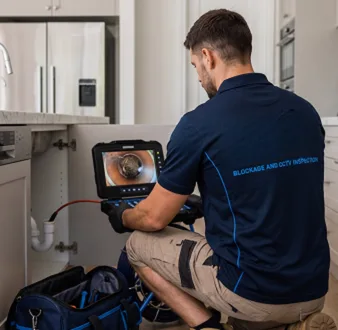
Drop sheets down first. Then the right tool for the blockage, closet auger for the pan, eel or jetter if it is sitting deeper in the line.
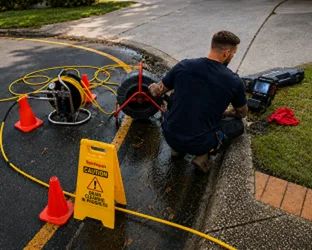
A first-time blockage with an obvious cause ends here. A repeat offender gets the camera, because the recurring ones are never about the toilet.

Roots cut and jetted, a damaged section relined, or a worn-out suite replaced: whatever the footage actually justifies, priced fixed before it starts.
That is not a booking, that is an emergency, and the line treats it like one, 24/7.
Cleared today, cause identified, fixed price before we start: and the bathroom left the way we found it, minus the problem.

Leave your details and our local Ambarvale team will call you back fast.